






























PTZ Cameras: A Versatile Solution
 Rubber Monkey
·
Oct 14 2024
Rubber Monkey
·
Oct 14 2024

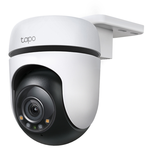
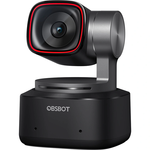
PTZ (pan, tilt, zoom) cameras are robotic video cameras that operate remotely. These cameras are capable of horizontal panning, vertical tilting, and zooming in on subjects without pixilation. Their versatility makes them sought-after for various applications, such as live video production, sports broadcasting, video conferencing, telemedicine, and security.

PTZ cameras have become indispensable tools in various fields. They offer unmatched flexibility, allowing you to capture dynamic shots and improve image quality without compromising clarity.
One notable example is PTZOptics cameras, which are used with various systems like SDI video production switchers, HDMI extension systems, IP video workflows, and USB video conferencing. These cameras meet the unique requirements of their respective applications.
Control Options for PTZ Cameras
You can control PTZ cameras through various methods, offering flexibility for different scenarios. There are a few ways of controlling the cameras, including IR remote controls, joystick controllers, and dedicated software solutions.
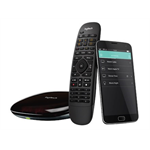
IR remote controls, similar to television remote controls, are straightforward to use and offer basic features for camera control and preset recall. They're best suited for close-range operations, but not for cameras located far away from the operator.

You can strategically place PTZ cameras in distant locations, such as church ceilings or sprawling school campuses. To control them, you can use a joystick controller, connected via ethernet cabling or serial control cables. PTZOptics, for example, offers both IP-connected and traditional serial controllers, allowing for remote operation over local area networks.
In recent years, software-based solutions have been added to PTZ camera control. Live streaming software applications like OBS, vMix, Wirecast, and Livestream Studio have introduced user-friendly interfaces for camera control. These integrated solutions allow producers to manage pan, tilt, zoom, and camera presets within their video production software.
Integrating PTZ camera control into software and hardware-based production systems has eliminated the need for dedicated camera operators. With a click of a button, cameras can move to predefined positions for complex automated workflows, making high-quality content production more accessible for smaller teams.
Connectivity
PTZ cameras come in various types, distinguished by their optical zoom capabilities and video output options. Some of the popular video outputs include SDI, HDMI, IP streaming, NDI, and USB.
SDI, known for its durability, reliability, and long-distance capabilities, is a top choice for many PTZ camera setups. HDMI, on the other hand, will give you easier integration with consumer devices.

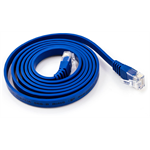
Ethernet connectivity has expanded its utility beyond camera control. With a single ethernet cable, you can achieve low-latency IP video, camera control, and power your PTZ camera using a PoE (Power Over Ethernet) network switch. The popular NDI format is also accessible via ethernet cables.
USB is a straightforward plug-and-play option for PTZ cameras, effectively turning the camera into a webcam.
Mounting Options
One of the standout features of PTZ cameras is their compact size; in contrast to larger broadcast cameras that require tripods and camera operators. You can place them in various locations, allowing for unique camera angles that may not be safe or practical for a human operator.
Common PTZ camera mounting options include:
Wall Mounted: Ideal for providing eye-level views or capturing scenes from balconies.
Ceiling Mounted: Offers a bird’s-eye perspective for displaying documents or angled views.
Pole Mounted: Perfect for safely positioning the camera above crowds, such as in churches with vaulted ceilings.
This flexibility in camera placement is a big advantage for remote production teams, as it allows for discreet placement in most building environments.
In conclusion, PTZ cameras are revolutionizing the way we approach video production, security, and communication. With their pan-tilt-zoom technology, versatile control options, and integration with software, PTZ cameras offer an array of benefits for professionals across various industries. From enhancing live broadcasts to improving security measures, these cameras are a dynamic solution for meeting the demands of the modern video landscape.
Whether you work in video production, security, or any other discipline, PTZ cameras are a tool worth exploring to elevate your work to the next level. To learn more about our range of PTZ camera systems and how they can meet your specific needs, visit the Rubber Monkey website or contact us for a free consultation.