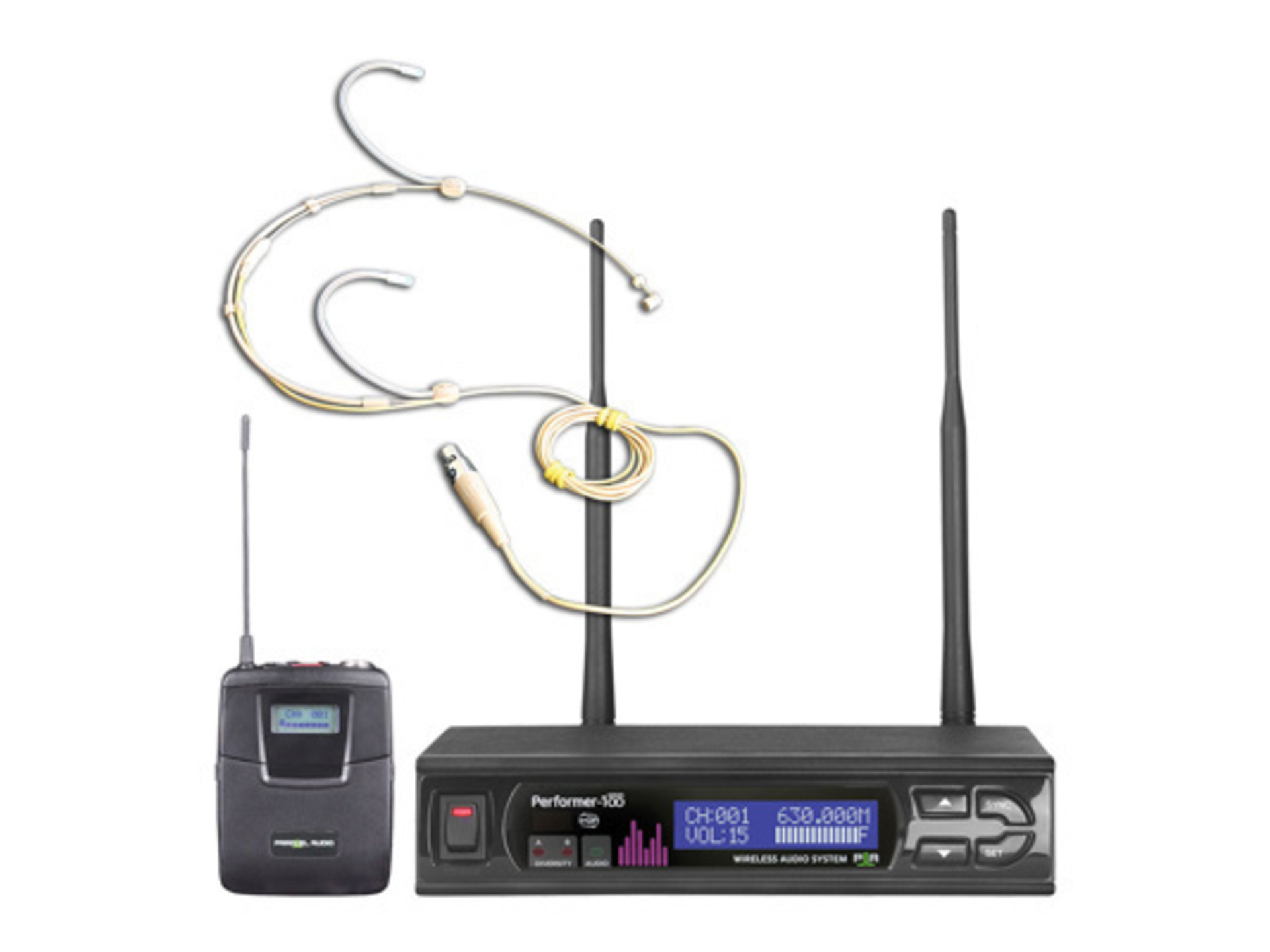

































































































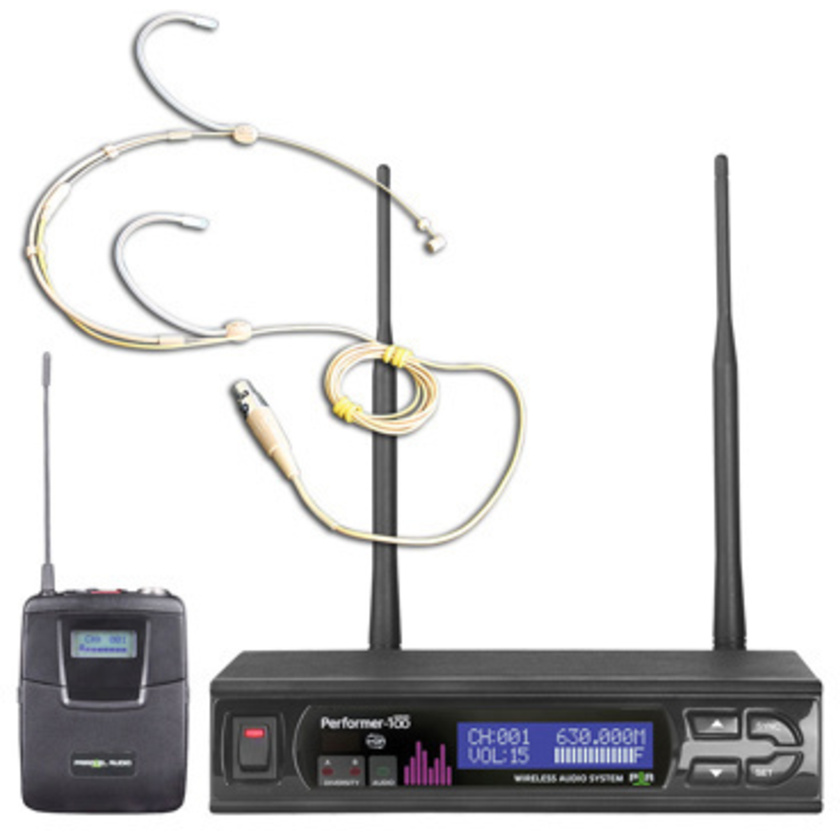



The Parallel Audio PERFORMER-HM Wireless Headset System offers an extensive range of features to ensure high-quality audio performance. With 100 factory preset user-selectable UHF frequencies, it provides the flexibility to find the best signal for interference-free multi-channel operation. Equipped with advanced microprocessor control and excellent RF design, this system has improved signal performance, allowing for optimal audio transmission.
The patented IrDA technology enables seamless two-way synchronization between the transmitter and receiver, ensuring a reliable connection. Additionally, the SCAN function automatically locates the next clean frequency, simplifying the setup process.
With the capability to operate more than 10-12 non-interfering channels simultaneously within a selected 25MHz bandwidth, this system offers remarkable versatility. The diversity design further enhances performance, providing high sensitivity, selectivity, and image/spurious rejection. The LCD display on the receiver conveniently shows the selected frequency, facilitating easy monitoring and adjustment. Additionally, the option to mount the antennas either on the rear or front adds flexibility to the setup.
To further enhance audio quality, the system features anti-interference Pilotone control and RF noise squelch circuitries. The RF & AF LED indicators provide visual feedback, ensuring quick and accurate monitoring.
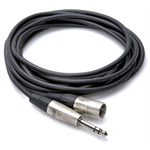
For optimal connectivity, the system offers balanced (XLR) and unbalanced (O6.3mm) audio outputs. Built with a half-rack metal chassis, the system is mountable with the optional mount kit (PA-WRK-1 for 1 unit, PA-WRK-2 for 2 units), offering convenience and space-saving capabilities.
In terms of compatibility, the PERFORMER-HM system matches seamlessly with transmitters such as HH6100 and BP6100. Moreover, the true diversity reception provided by the receiver ensures the best performance and reliability. Additionally, the receiver also supplies power to Parallel Audio antenna systems, enhancing reception range and signal stability.